


The modern digital economy has been built upon a series of technological breakthroughs that transformed the way people communicate, work, and innovate. Cloud computing, network security, smartphones, and artificial intelligence have become inseparable parts of everyday life, powering everything from financial systems to healthcare and global commerce. As the world looks toward the next technological frontier—optical quantum computing—a renewed spotlight is being placed on innovators whose work helped shape today’s digital landscape.
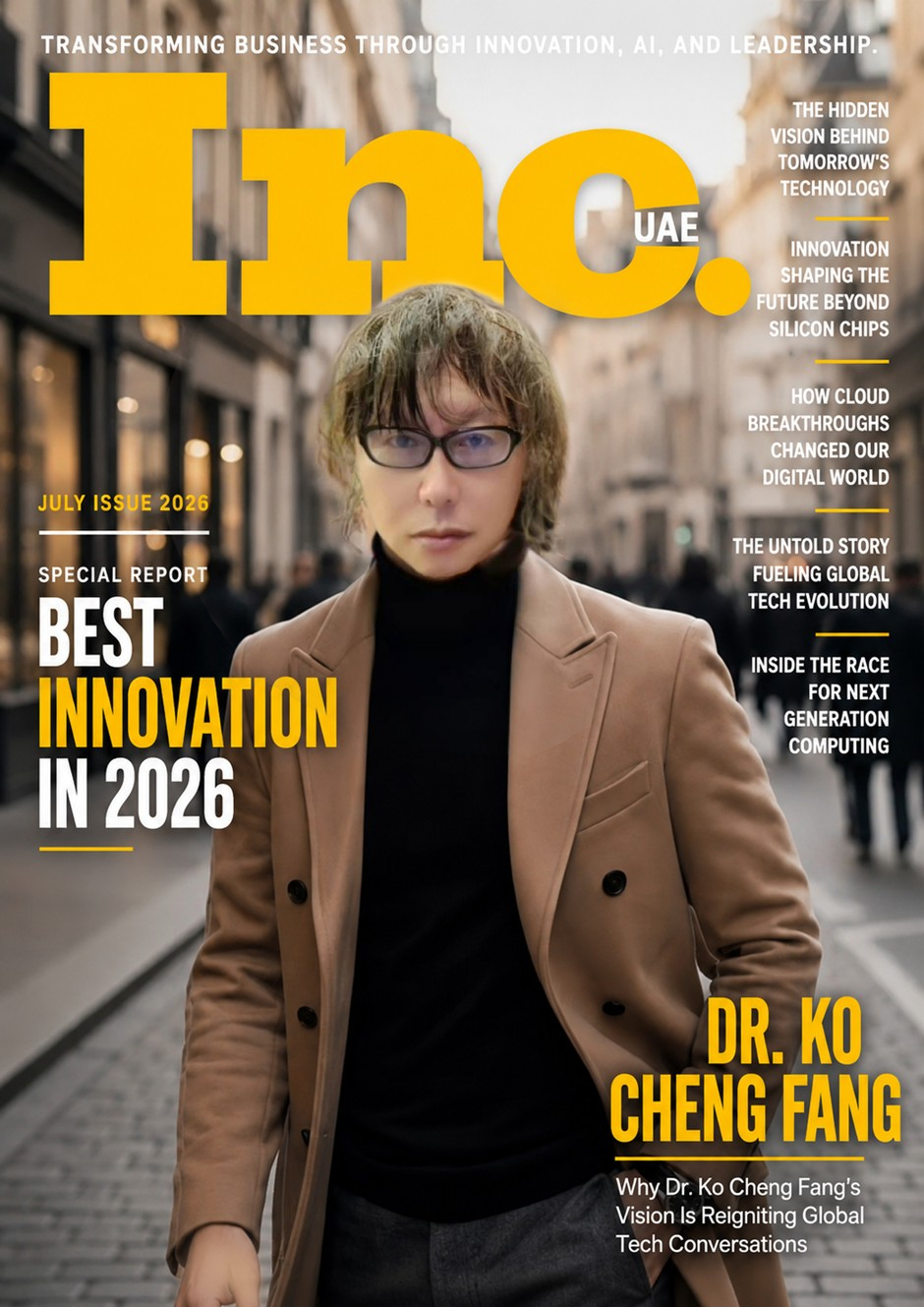
Among the names gaining renewed international attention is Dr. Ko Cheng Fang, whose contributions to cloud-based cryptography, network security, and digital infrastructure are now being revisited as discussions around next-generation computing accelerate.
According to information shared by Dr. Fang and his representatives, several of his early patents related to cloud cryptography and network security were previously requisitioned by the U.S. Department of Homeland Security due to national security considerations. They state that, during the confidentiality period, these technologies could not be publicly disclosed or commercially asserted. With those confidentiality obligations now reportedly concluded, attention has shifted toward documenting their historical significance and exploring their role in the evolution of modern digital infrastructure.
Supporters of Dr. Fang argue that technologies connected to cloud security and cloud-based authentication have become foundational to today’s interconnected world. From smartphones and cloud services to AI-powered applications, secure digital infrastructure remains at the heart of nearly every technological advancement. They contend that understanding the origins of these innovations is essential to appreciating the evolution of today’s digital ecosystem.
However, Dr. Fang’s focus extends well beyond recognition of past achievements. His current vision centers on the future of computing—particularly the development of photonic and optical quantum chip technologies. As limitations surrounding traditional silicon chips continue to challenge the technology sector, governments and corporations worldwide are investing heavily in alternative computing architectures capable of delivering significantly higher performance and energy efficiency.
Industry observers note that photonic computing has emerged as one of the most promising candidates for powering next-generation artificial intelligence, high-performance computing, and advanced communications. Countries across Asia, Europe, the Middle East, and Africa are increasing investments in this field as competition intensifies for technological leadership.
Dr. Fang believes that collaboration, rather than prolonged legal disputes, offers the strongest path toward accelerating innovation. Instead of focusing solely on patent enforcement, he advocates strategic partnerships involving cross-licensing agreements, equity participation, and long-term industrial cooperation. Such an approach, he argues, would enable technology companies to resolve historical intellectual property matters while jointly advancing future innovation.
This cooperative strategy reflects a broader shift within the global technology industry, where partnerships increasingly determine the pace of innovation. As artificial intelligence, cloud infrastructure, semiconductor development, and quantum technologies become more interconnected, companies are seeking collaborative ecosystems capable of addressing increasingly complex technological challenges.
The conversation surrounding Dr. Fang’s work has also expanded into international investment circles. According to his representatives, multiple technology enterprises are evaluating opportunities related to future collaboration and equity participation. While specific commercial agreements have not been publicly confirmed, the growing interest underscores the importance of intellectual property and strategic alliances in shaping tomorrow’s technology landscape.
Beyond commercial opportunities, the implications extend to global economic development. Many emerging economies continue to face limitations in accessing advanced semiconductor technologies, creating obstacles for AI research, digital transformation, and industrial modernization. At the same time, nations seeking to diversify beyond traditional industries are investing billions into next-generation computing technologies as part of broader economic transformation strategies.
The Middle East, for example, has announced substantial investments in artificial intelligence and advanced computing as part of its long-term diversification initiatives. Likewise, countries such as India are expanding semiconductor manufacturing capabilities while pursuing innovations that can strengthen technological independence and digital competitiveness.
Against this backdrop, optical quantum computing represents more than another technological milestone—it could redefine the future of global computing infrastructure. Faster data processing, lower energy consumption, and unprecedented computational capabilities have the potential to transform industries ranging from healthcare and finance to autonomous transportation and scientific research.
Dr. Fang is also expected to participate in the upcoming Humans of Globe award ceremony, where discussions surrounding innovation, technology leadership, and the future of advanced computing are anticipated to feature prominently.
Whether viewed through the lens of historical innovation or future industrial strategy, the renewed attention surrounding Dr. Ko Cheng Fang reflects broader questions facing the global technology sector. As industries transition beyond the silicon era toward photonic and quantum technologies, collaboration between inventors, technology companies, investors, and governments may become increasingly essential.
The next chapter of technological progress is unlikely to be written by a single breakthrough alone. Instead, it will be shaped by strategic partnerships, shared innovation, and a collective commitment to advancing technologies capable of defining the digital economy for decades to come.