



The United Arab Emirates has once again demonstrated its commitment to supporting economic growth with the announcement of reduced fuel prices for July 2026. After several consecutive months of increases, the latest adjustment offers welcome relief to businesses, logistics operators, manufacturers, and consumers alike. While the savings at the pump may appear modest on an individual level, the broader impact across the economy could be substantial, lowering operational expenses and strengthening confidence among companies navigating an increasingly competitive global marketplace.
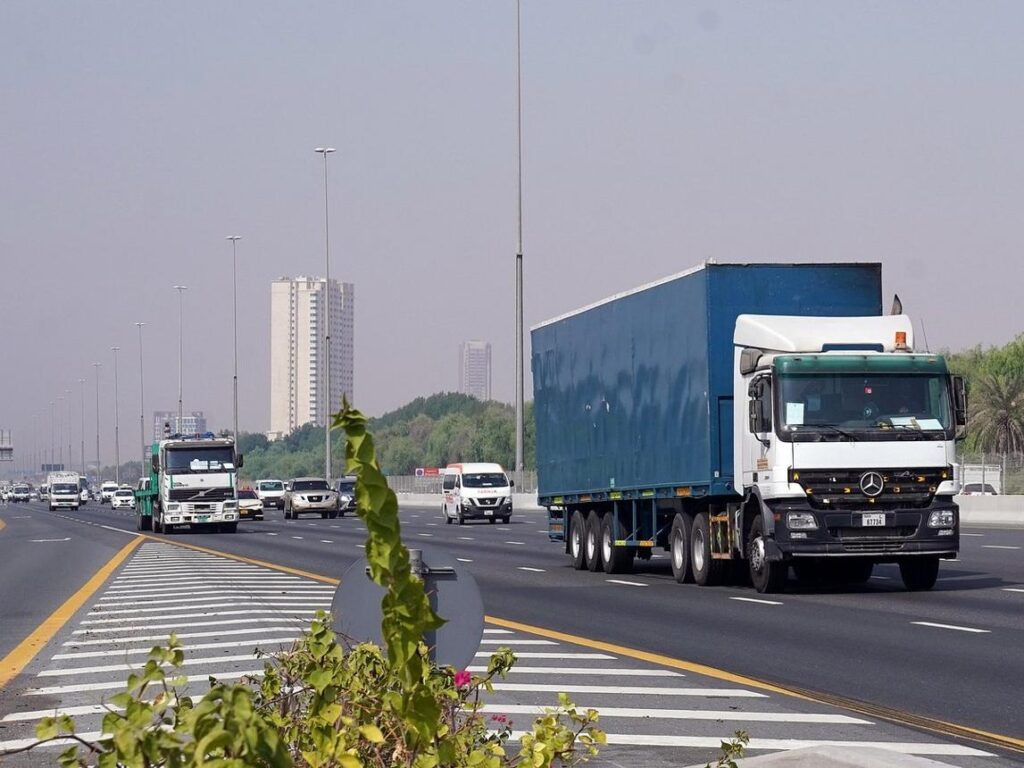
Fuel prices influence nearly every sector of the economy. Transportation companies depend on diesel to move goods efficiently, retailers rely on distribution networks to keep shelves stocked, and service businesses require vehicle fleets to reach customers across the UAE. Even industries that do not directly consume significant amounts of fuel often experience indirect effects through supply chain costs and product pricing.
For small and medium-sized enterprises (SMEs), which account for a significant share of the UAE’s private sector, lower fuel prices can translate into meaningful financial savings. Delivery businesses, construction contractors, maintenance providers, and food distributors operate extensive vehicle fleets every day. Reduced fuel expenses help preserve profit margins while enabling companies to invest more confidently in expansion, technology, employee development, and customer service.
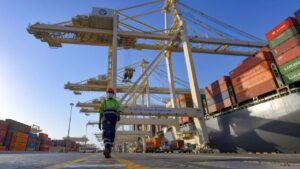
The logistics industry is expected to be among the biggest beneficiaries. Dubai has established itself as one of the world’s leading logistics and trade hubs, connecting Asia, Europe, and Africa through world-class ports, airports, and transportation infrastructure. Every reduction in fuel costs improves efficiency for freight operators, courier companies, and warehousing providers, strengthening the UAE’s competitiveness as an international trading destination.
E-commerce businesses also stand to gain. Online shopping continues to expand rapidly across the Middle East, with consumers expecting faster deliveries and competitive pricing. Lower transportation expenses enable retailers to optimize delivery operations, introduce promotional offers, or absorb rising costs in other areas without passing them on to customers.
The tourism and hospitality sectors are another area where fuel price reductions could have a positive impact. Tour operators, transportation providers, rental car companies, and hospitality businesses all rely on fuel to support daily operations. Lower operating costs create opportunities for businesses to enhance customer experiences while maintaining attractive pricing for both domestic and international visitors.
Consumer confidence may also receive a boost. When households spend less on transportation, they often have greater disposable income available for shopping, dining, entertainment, and travel. This additional spending circulates throughout the economy, benefiting retailers, restaurants, hotels, and service providers while contributing to overall economic activity.
Manufacturing businesses could similarly experience indirect advantages. Raw materials and finished products frequently travel long distances before reaching customers. Reduced transportation expenses help manufacturers manage production costs more effectively while improving pricing competitiveness in regional and international markets.
For the UAE’s construction industry, lower diesel costs can reduce expenses associated with heavy machinery, equipment transportation, and material deliveries. As the country continues investing in ambitious infrastructure projects, real estate developments, and smart city initiatives, every efficiency gain contributes to stronger project economics and improved resource management.
Financial analysts note that fuel prices remain closely linked to global oil market conditions, geopolitical developments, and international demand. While future adjustments will continue to reflect changing market dynamics, July’s reduction offers businesses an opportunity to strengthen cash flow and improve operational planning during the summer months.
The government’s transparent monthly fuel pricing mechanism has become an important feature of the UAE’s economic landscape. Businesses can anticipate regular adjustments and incorporate fuel costs into financial planning with greater certainty than in many other international markets. This predictable approach supports informed decision-making and long-term investment strategies.
Environmental considerations remain equally important. Lower fuel prices do not diminish the UAE’s commitment to sustainability, renewable energy, and clean mobility. The country continues investing heavily in electric vehicle infrastructure, solar energy projects, hydrogen technologies, and public transportation while balancing the needs of a growing economy with ambitious environmental objectives.
Many businesses are expected to use this period of reduced operating costs to accelerate digital transformation initiatives. Savings generated through transportation efficiencies may be redirected toward automation, artificial intelligence, cybersecurity, cloud computing, and workforce training—areas increasingly recognized as essential drivers of long-term competitiveness.
International investors also pay close attention to operating costs when evaluating potential expansion opportunities. Competitive fuel pricing, combined with the UAE’s modern infrastructure, strategic location, business-friendly regulations, and advanced logistics capabilities, further strengthens the country’s position as an attractive destination for regional headquarters and global investment.
For entrepreneurs, the latest fuel price adjustment highlights the importance of monitoring external economic factors that influence business performance. Successful companies continuously adapt their strategies to changing market conditions, identifying opportunities to improve efficiency while maintaining high standards of service and customer satisfaction.
Looking ahead, the benefits of lower fuel prices will likely extend beyond immediate cost savings. Improved transportation efficiency can strengthen supply chains, encourage consumer spending, enhance business confidence, and contribute to broader economic resilience. These factors collectively support the UAE’s vision of sustainable economic diversification and long-term growth.
As businesses continue navigating an evolving global environment, operational efficiency remains one of the most valuable competitive advantages. The July 2026 fuel price reduction offers companies across multiple industries an opportunity to optimize costs, invest strategically, and reinforce their market position while supporting the continued expansion of one of the world’s most dynamic economies.
For the UAE, this development represents more than a routine monthly adjustment. It reflects an economic environment designed to promote resilience, encourage entrepreneurship, and create conditions where businesses of every size can continue to innovate, grow, and compete successfully on the global stage.