


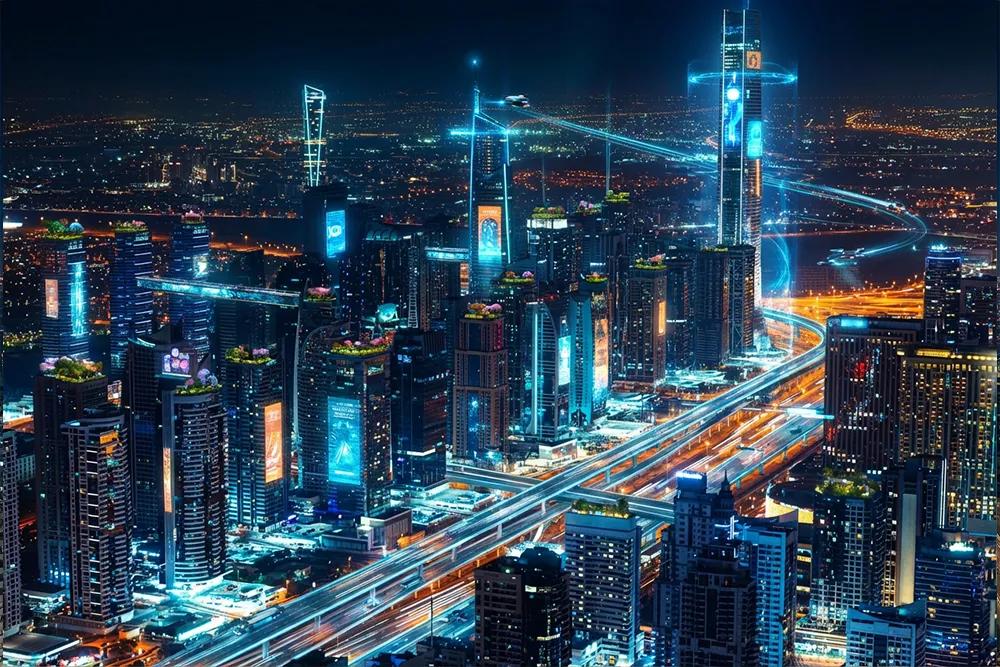
As cities around the world grow in population and complexity, governments are turning to advanced technologies to create safer, more sustainable, and highly connected urban environments. The concept of the smart city has evolved significantly over the past decade, moving beyond digital infrastructure to embrace artificial intelligence (AI), the Internet of Things (IoT), autonomous mobility, and real-time data analytics. This new era—often referred to as Smart Cities 2.0—is reshaping how people live, work, and interact with their surroundings.
The UAE has emerged as one of the global leaders in smart city development. With ambitious digital transformation strategies and significant investments in innovation, cities like Dubai and Abu Dhabi are demonstrating how technology can improve public services, enhance sustainability, and strengthen economic growth. Smart Cities 2.0 is not simply about installing sensors or offering digital services; it is about creating intelligent ecosystems where technology works seamlessly to improve quality of life.
At the heart of this transformation is artificial intelligence. AI enables city systems to process enormous amounts of information collected from connected devices, making it possible to predict traffic congestion, optimize energy consumption, monitor infrastructure, and respond to emergencies with remarkable speed. Instead of reacting to problems after they occur, city authorities can anticipate challenges and address them proactively.
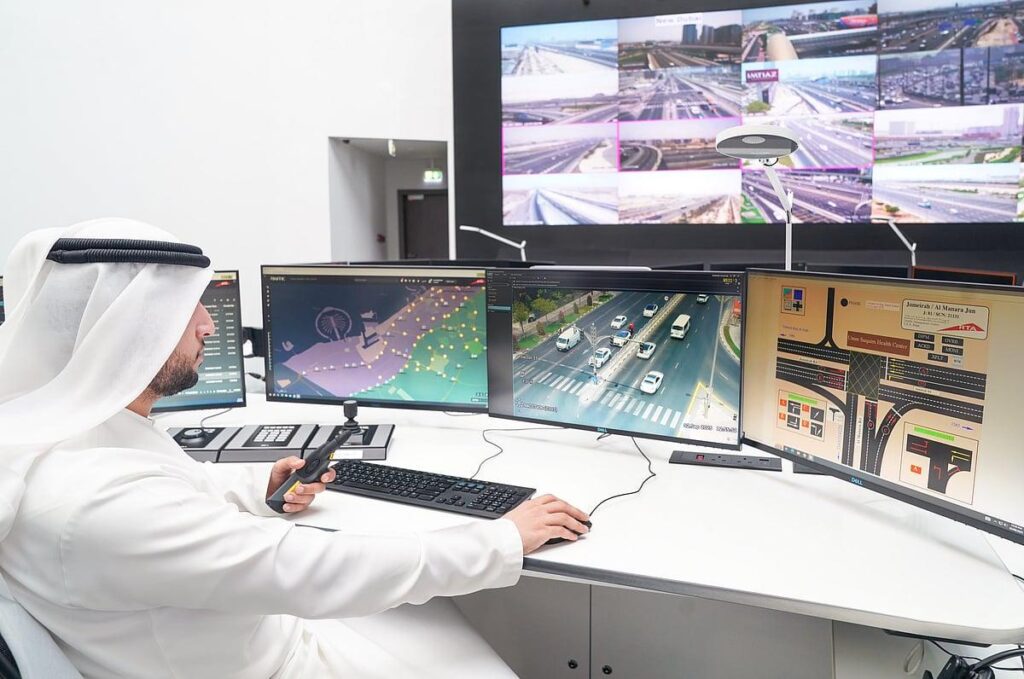
One of the most visible applications of Smart Cities 2.0 is intelligent transportation. Traffic congestion remains a major challenge for urban centers worldwide, affecting productivity, fuel consumption, and environmental sustainability. AI-powered traffic management systems analyze real-time data from cameras, sensors, GPS devices, and connected vehicles to adjust traffic signals dynamically, reduce delays, and improve traffic flow.
Public transportation is also becoming smarter. Digital ticketing systems, predictive maintenance for buses and metro networks, and AI-driven route optimization are making public transit more efficient and reliable. The integration of electric vehicles, autonomous transportation, and shared mobility services further supports cleaner and more sustainable urban environments.
Energy management represents another critical pillar of smart city development. Buildings equipped with IoT sensors can monitor lighting, heating, cooling, and electricity usage in real time, automatically adjusting consumption based on occupancy and environmental conditions. Smart grids distribute electricity more efficiently, integrate renewable energy sources, and quickly identify outages, helping reduce both costs and carbon emissions.
Water conservation is equally important, particularly in regions where natural resources require careful management. Smart sensors installed throughout water distribution systems can detect leaks, monitor consumption patterns, and improve maintenance planning. These technologies help cities minimize waste while ensuring reliable access to essential resources.
Healthcare services are also benefiting from digital transformation. Connected hospitals, wearable health devices, and AI-assisted diagnostics enable healthcare providers to monitor patients remotely, improve emergency response times, and deliver more personalized care. During public health emergencies, real-time data sharing can support faster decision-making and more effective resource allocation.
Public safety has become increasingly sophisticated through the use of intelligent surveillance systems and predictive analytics. AI-powered security platforms can detect unusual activity, assist emergency responders, and improve disaster preparedness while enabling authorities to respond more rapidly to incidents. When implemented responsibly with strong privacy safeguards, these technologies contribute to safer communities without compromising public trust.
Businesses are among the biggest beneficiaries of Smart Cities 2.0. Reliable digital infrastructure, faster connectivity, efficient logistics, and data-driven public services create an attractive environment for entrepreneurs, startups, and multinational corporations. Smart cities foster innovation by making it easier for companies to develop, test, and scale emerging technologies.
The rise of 5G connectivity has further accelerated smart city innovation. High-speed, low-latency networks allow millions of connected devices to communicate instantly, enabling applications such as autonomous vehicles, industrial automation, smart manufacturing, and immersive digital experiences. As 5G networks continue to expand, they will provide the foundation for even more advanced urban technologies.
However, building intelligent cities also brings significant challenges. Data privacy, cybersecurity, interoperability between different technologies, and ethical AI governance must remain top priorities. Cities generate vast amounts of sensitive information, making robust security measures essential to protect both public infrastructure and citizen data.
Another challenge is ensuring that technology benefits everyone. Inclusive urban development requires accessible digital services, affordable connectivity, and digital literacy initiatives so that all members of society can participate in the smart economy. Technology should reduce inequalities rather than create new barriers.
Sustainability remains central to the Smart Cities 2.0 vision. By combining renewable energy, intelligent transportation, efficient resource management, and environmentally conscious urban planning, cities can significantly reduce emissions while supporting long-term economic growth. These innovations align closely with global sustainability goals and national strategies focused on building resilient, future-ready economies.
Looking ahead, the evolution of smart cities will continue to accelerate. Artificial intelligence, digital twins, autonomous systems, robotics, and advanced analytics will work together to create cities that continuously learn, adapt, and improve. Rather than functioning as isolated technologies, these innovations will form interconnected ecosystems capable of responding intelligently to changing urban needs.
For the UAE, Smart Cities 2.0 represents more than technological advancement—it reflects a long-term vision of sustainable development, economic diversification, and global leadership in innovation. As governments, businesses, and communities collaborate to build the cities of tomorrow, technology will play an increasingly central role in shaping a more connected, efficient, and prosperous future.