


For decades, businesses have relied on increasingly powerful computers to process information, manage operations, and drive innovation. Yet even the world’s fastest supercomputers have limitations when solving highly complex problems involving enormous amounts of data. Enter quantum computing—a breakthrough technology poised to redefine what is computationally possible and unlock opportunities across industries.
Although quantum computing is still in its early stages of commercialization, governments, research institutions, and technology companies worldwide are investing billions of dollars into its development. Business leaders are beginning to recognize that this emerging technology could reshape industries ranging from finance and healthcare to logistics, energy, and cybersecurity.
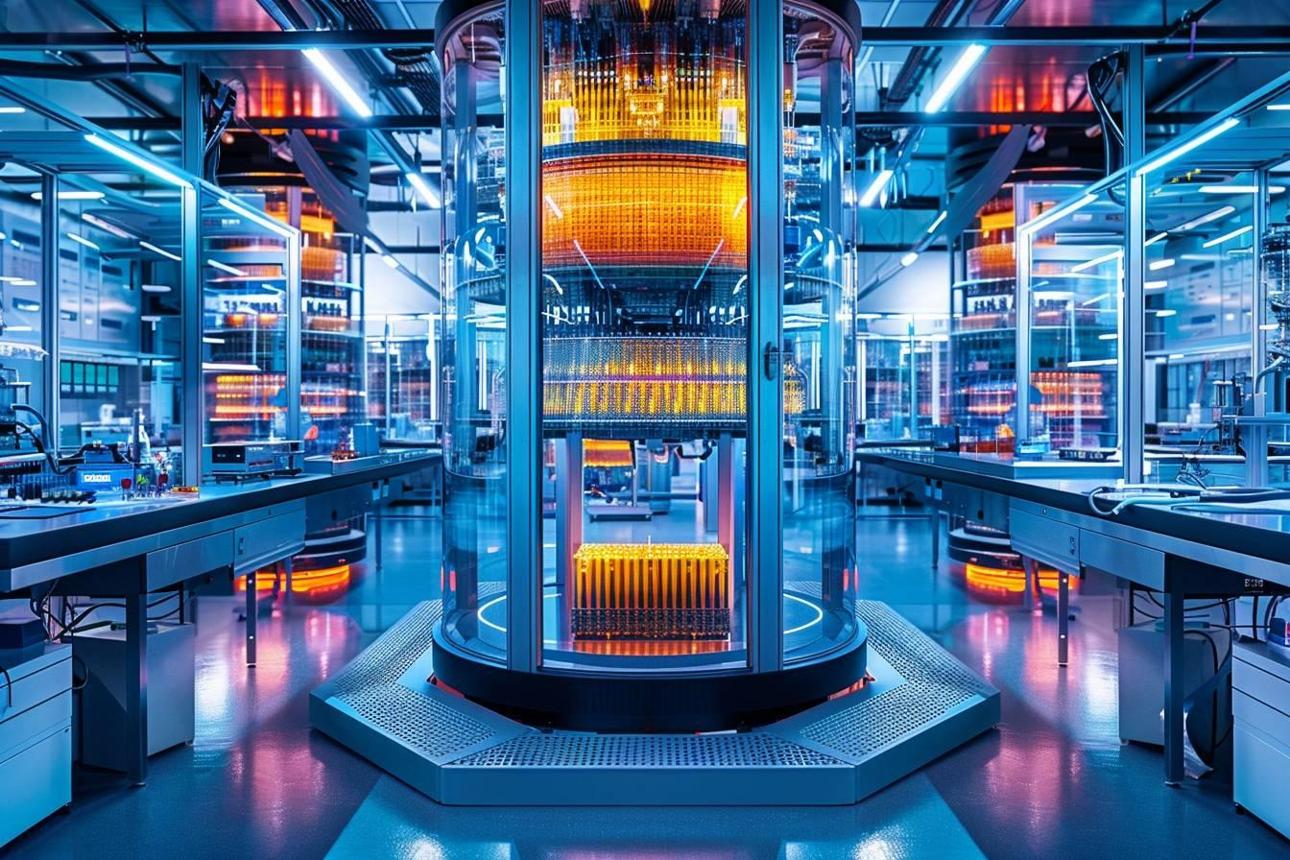
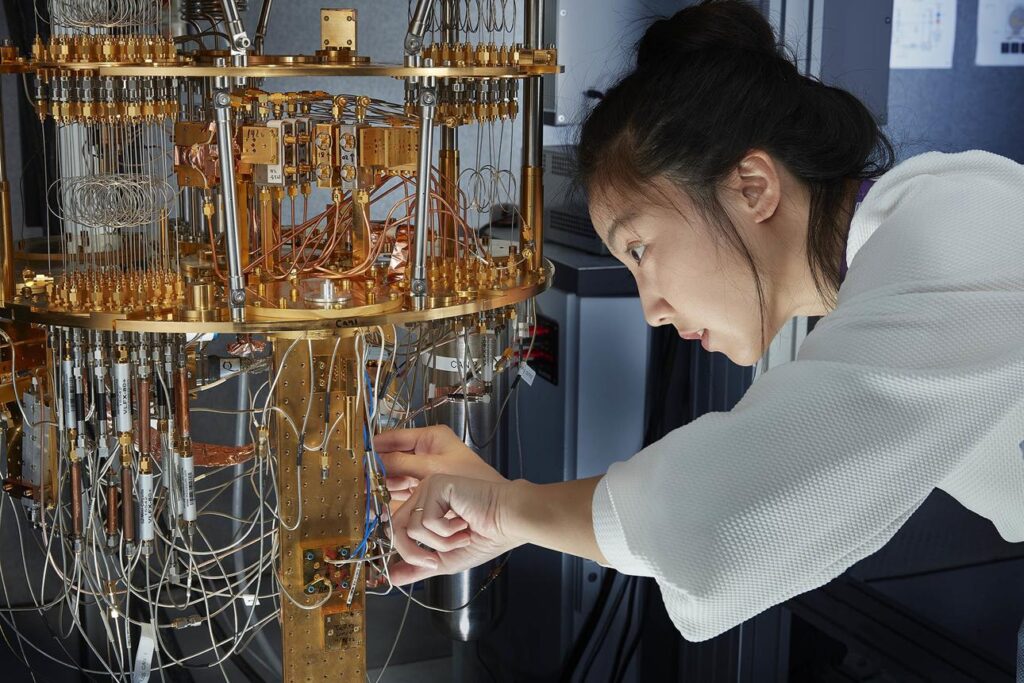
Unlike traditional computers, which process information using binary bits that exist as either 0 or 1, quantum computers use qubits. Thanks to the principles of quantum mechanics, qubits can exist in multiple states simultaneously. This allows quantum computers to perform certain calculations exponentially faster than even the most advanced classical machines.
For businesses, the implications are profound.
One of the most promising applications lies in optimization. Every day, companies solve complex optimization challenges involving transportation routes, manufacturing schedules, inventory management, supply chains, and workforce allocation. Traditional computing often requires enormous processing time for these problems, especially as variables increase.
Quantum algorithms could evaluate millions of possible solutions almost simultaneously, identifying the most efficient outcome in a fraction of the time. Airlines could optimize flight schedules, logistics companies could minimize delivery costs, and manufacturers could improve production planning with unprecedented accuracy.
The financial sector is another industry expected to benefit significantly. Investment firms constantly analyze vast datasets to forecast markets, assess risk, and build diversified portfolios. Quantum computing has the potential to accelerate these calculations dramatically, enabling faster decision-making and more sophisticated financial models.
Banks could also improve fraud detection by identifying hidden transaction patterns that are difficult for conventional systems to recognize. Combined with artificial intelligence, quantum computing may provide a new generation of predictive financial analytics capable of responding to market changes in real time.
Healthcare represents another exciting frontier. Drug discovery often requires researchers to simulate complex molecular interactions—a process that can take years using classical computing. Quantum computers could model these interactions far more efficiently, helping pharmaceutical companies identify promising treatments and develop life-saving medicines more quickly.
Similarly, personalized medicine may benefit from quantum-powered analysis of genetic data, enabling doctors to recommend treatments tailored to individual patients with greater precision.
The energy industry also stands to gain. Quantum computing could improve renewable energy management by optimizing electricity distribution, battery performance, and smart grid operations. As countries—including the UAE—continue investing in clean energy initiatives, advanced computing technologies may play a vital role in increasing efficiency while reducing environmental impact.
Cybersecurity, however, presents both opportunities and challenges.
Many of today’s encryption methods rely on mathematical problems that classical computers struggle to solve. Future quantum computers may eventually possess the computational power to break some widely used encryption standards, prompting organizations worldwide to prepare for a new generation of quantum-resistant security systems.
Fortunately, researchers are already developing post-quantum cryptography, designed to protect sensitive information against future quantum attacks. Governments and technology providers are encouraging businesses to begin evaluating their cybersecurity strategies well before large-scale quantum computers become commercially available.
The UAE is positioning itself as a regional leader in emerging technologies through investments in innovation, digital transformation, and research partnerships. Universities, government agencies, and technology companies continue exploring advanced computing capabilities as part of broader initiatives to build a diversified knowledge economy.
Large enterprises are already beginning to experiment with quantum computing through cloud-based platforms offered by leading technology providers. These services allow businesses to test quantum algorithms without purchasing specialized hardware, making early experimentation accessible even before widespread commercial adoption.
Despite its promise, quantum computing remains an evolving technology. Current quantum systems face challenges including hardware stability, error correction, scalability, and operational costs. Experts estimate that practical, large-scale quantum computing may still require several years of continued research and engineering breakthroughs.
Nevertheless, waiting until the technology becomes mainstream could leave organizations behind.
Forward-thinking executives are already investing in workforce education, research partnerships, and pilot projects to understand where quantum computing may create future competitive advantages. Just as businesses that embraced cloud computing and artificial intelligence early often gained significant market benefits, early quantum readiness may provide similar opportunities.
Importantly, quantum computing is not expected to replace traditional computers. Instead, it will complement them by solving highly specialized problems that are beyond the capabilities of conventional systems. Everyday business applications such as email, accounting, and office productivity will continue to rely on classical computing, while quantum systems tackle the world’s most computationally demanding challenges.
The next decade will likely witness the gradual integration of quantum computing into commercial industries. Organizations that begin learning about the technology today will be better prepared to capitalize on tomorrow’s breakthroughs.
Quantum computing is no longer science fiction. It is rapidly becoming one of the defining technologies of the future—one that has the potential to transform business innovation, scientific discovery, and global competitiveness. For business leaders across the UAE, understanding this revolution today may be the first step toward leading it tomorrow.