


Fashion’s New Reality: Designing for a Warmer World
The fashion industry has always evolved alongside culture, technology, and consumer behavior. In 2026, however, another powerful influence is reshaping the creative process—climate change. From rising temperatures and unpredictable weather to growing environmental awareness among consumers, designers are rethinking everything from seasonal collections to fabric choices.
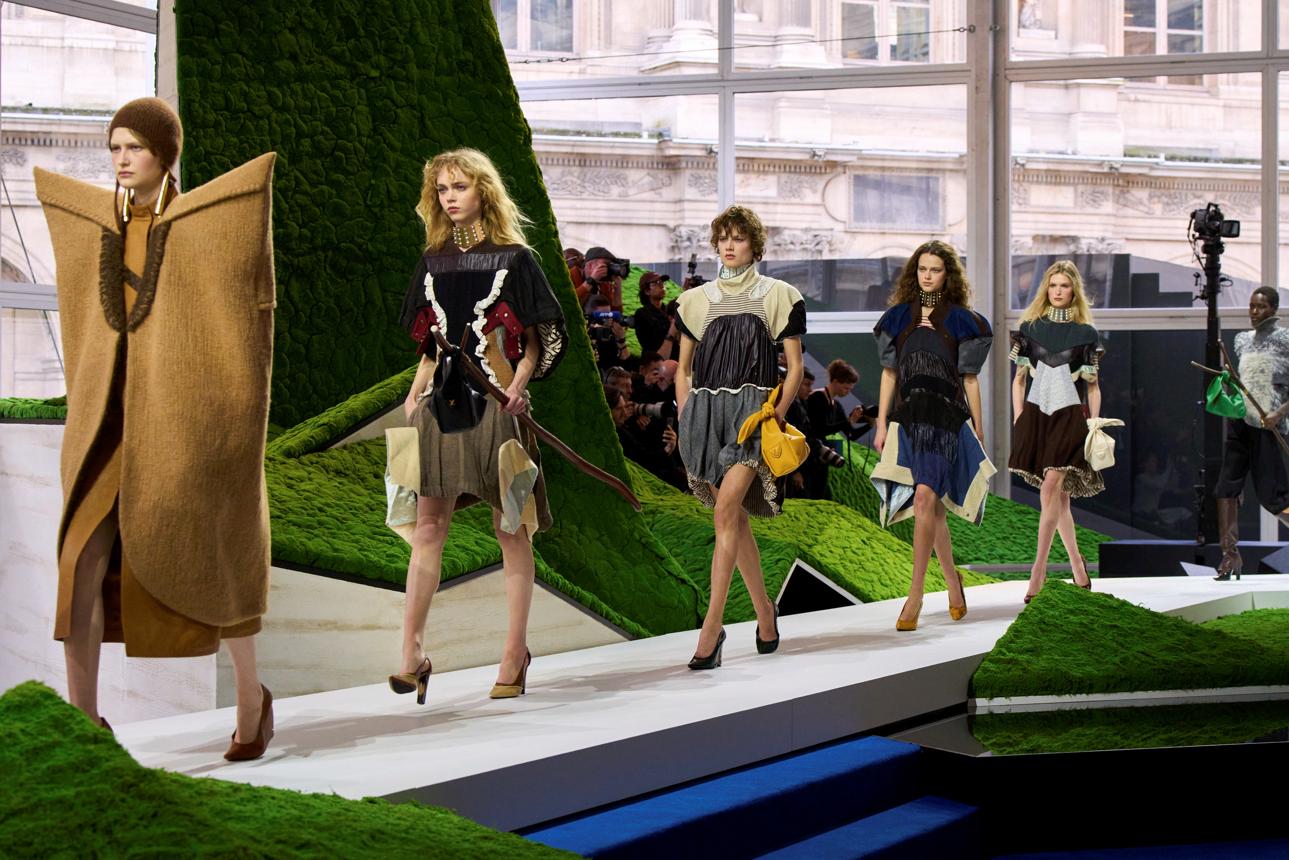
Luxury houses, independent labels, and global retailers are responding by introducing lighter fabrics, sustainable production methods, and collections that reflect changing weather patterns. Instead of following rigid seasonal calendars, brands are embracing flexibility, creating garments designed to be worn across multiple climates and occasions.
For fashion enthusiasts, this transformation represents more than a passing trend. It signals the beginning of a new era where style, innovation, and environmental responsibility coexist.
Summer Collections Arrive Earlier
Fashion calendars have traditionally revolved around spring, summer, autumn, and winter. Today, those boundaries are becoming increasingly blurred.
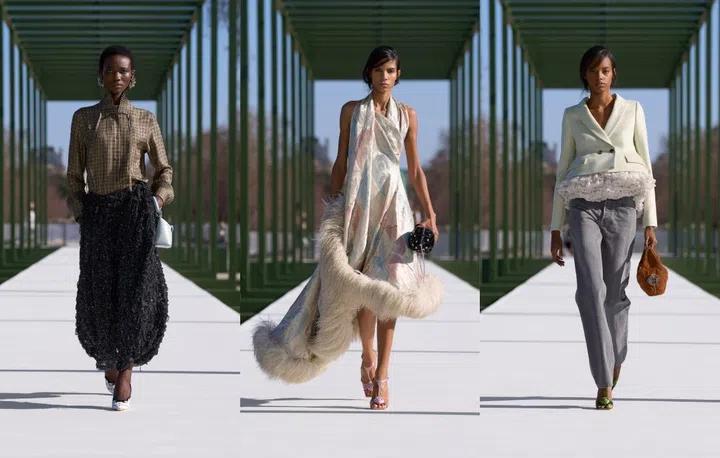
Longer summers across Europe, the Middle East, and parts of Asia have encouraged brands to extend warm-weather collections well beyond their usual timelines. Designers are introducing breathable tailoring, lightweight dresses, relaxed suiting, and versatile separates that remain practical throughout extended periods of high temperatures.
This shift is especially relevant for consumers in the Gulf region, where warm climates dominate much of the year. International fashion houses are increasingly creating collections that cater to markets where luxury dressing must also provide comfort.
Retailers have noticed consumers prioritizing garments that transition effortlessly from daytime meetings to evening events while remaining cool and comfortable.
Sustainable Fabrics Move Into the Spotlight
Material innovation has become one of fashion’s most exciting frontiers.
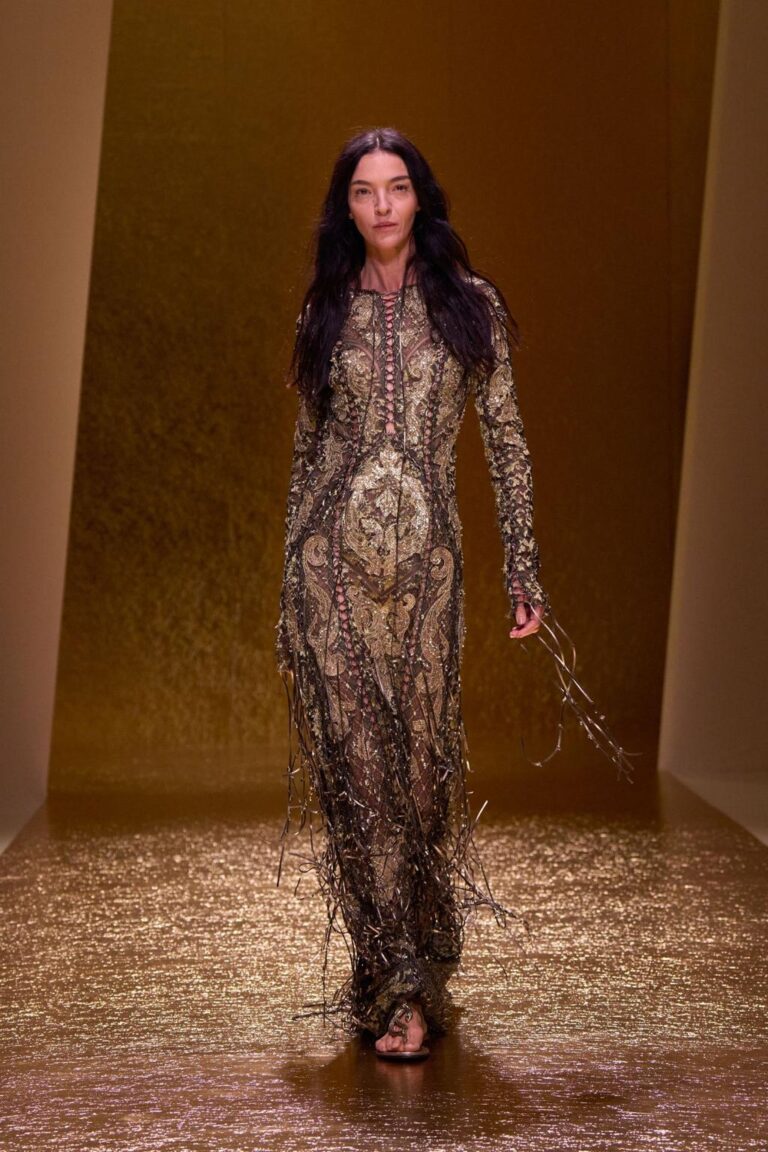
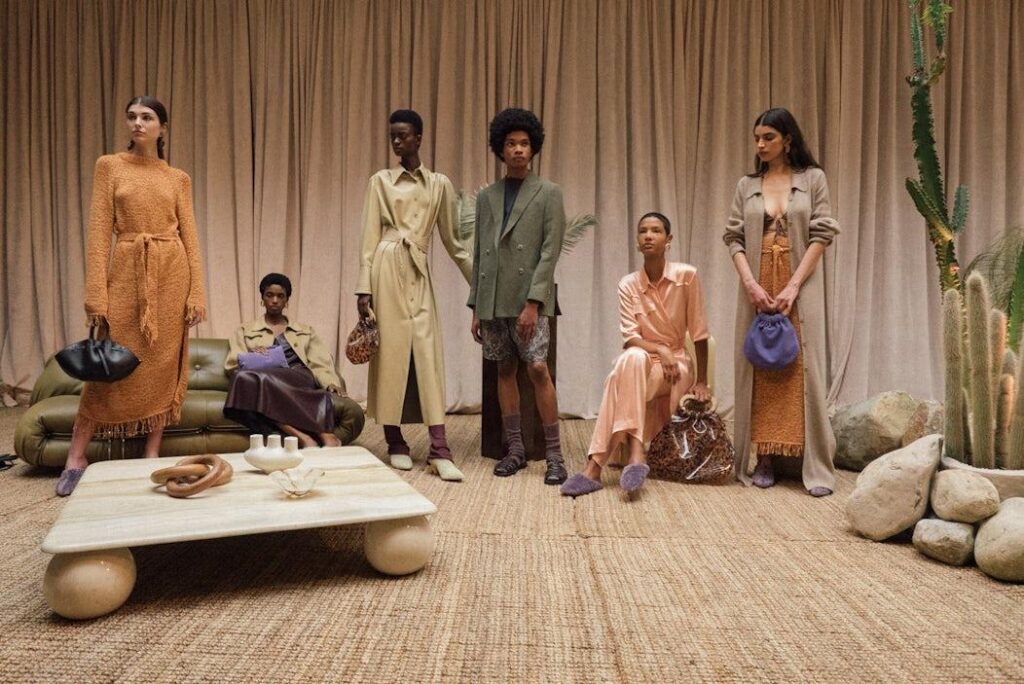
Luxury brands are investing heavily in fabrics that reduce environmental impact without compromising quality. Organic cotton, recycled polyester, responsibly sourced linen, regenerative wool, and innovative plant-based textiles are becoming central to new collections.
Textile manufacturers are also developing fabrics that require significantly less water and fewer chemicals during production. Advances in fabric engineering have produced materials that remain breathable, wrinkle-resistant, and durable while lowering carbon emissions throughout their lifecycle.
Consumers are increasingly paying attention to how clothing is made, encouraging brands to be more transparent about sourcing and manufacturing practices.
Rather than treating sustainability as a marketing slogan, leading designers are integrating responsible materials into their core collections.
Luxury Embraces Timeless Design
Another noticeable shift is the move away from fast-changing trends.
Consumers are investing in fewer but higher-quality pieces that remain fashionable for years. Tailored blazers, elegant dresses, premium knitwear, classic handbags, and versatile outerwear continue to dominate luxury wardrobes.
This philosophy aligns with the growing interest in “quiet luxury,” where craftsmanship and understated elegance take precedence over bold logos and short-lived trends.
Designers are focusing on clean silhouettes, refined colour palettes, and exceptional tailoring that transcend seasonal fashion cycles.
For many luxury buyers, longevity has become just as important as aesthetics.
Technology Supports Sustainable Fashion
Artificial intelligence is rapidly becoming an essential tool for fashion companies.
Brands now use AI to forecast demand, reduce overproduction, and optimize inventory management. Instead of manufacturing large quantities based on estimates, companies can better predict consumer preferences and produce more accurately.
Digital design platforms allow creative teams to visualize garments before creating physical samples, reducing fabric waste and shortening development timelines.
Some retailers are also using virtual fitting technologies that help customers select the correct size, minimizing returns and reducing transportation emissions.
Technology is proving that innovation and sustainability can work together to create a more efficient fashion ecosystem.
Consumers Expect Greater Transparency
Today’s shoppers want more than attractive clothing.
They increasingly seek information about where garments are produced, how workers are treated, and what environmental standards brands follow.
Fashion companies are responding by publishing sustainability reports, improving supply chain visibility, and obtaining certifications that verify responsible sourcing practices.
Social media has amplified consumer expectations, making transparency an important aspect of brand reputation.
Companies that communicate openly about their environmental initiatives often build stronger relationships with loyal customers.
Circular Fashion Gains Momentum
Resale, rental, repair, and recycling are becoming important pillars of the modern fashion industry.
Luxury resale platforms continue to experience significant growth as consumers embrace pre-owned designer pieces. Vintage fashion has evolved from a niche market into a mainstream shopping choice.
Many brands are launching repair services, encouraging customers to extend the life of premium garments rather than replacing them.
Rental fashion is also expanding, particularly for occasion wear, allowing consumers to access luxury clothing while reducing overall consumption.
These circular business models support both environmental goals and changing consumer lifestyles.
Regional Opportunities in the Middle East
The Middle East has become one of the world’s fastest-growing luxury fashion markets.
Cities such as Dubai, Abu Dhabi, Doha, and Riyadh continue attracting international designers, luxury retailers, and emerging regional brands.
Local consumers appreciate premium craftsmanship while increasingly supporting sustainable fashion initiatives.
Designers from the region are successfully blending traditional craftsmanship with contemporary silhouettes, creating collections that appeal to global audiences.
Fashion weeks across the Gulf are also providing platforms for young designers exploring sustainable innovation.
Looking Ahead
Climate change is influencing fashion in ways few could have predicted just a decade ago. Rather than limiting creativity, it is encouraging designers to rethink materials, production methods, and the purpose of clothing itself.
The future of fashion will likely be defined by adaptability, technological innovation, and responsible design. Consumers are rewarding brands that combine aesthetics with environmental awareness, proving that sustainability and luxury are no longer competing ideas.
For the global fashion industry, 2026 represents a turning point—one where creativity is measured not only by beautiful designs but also by the positive impact those designs leave on people and the planet.
As fashion continues to evolve, the industry’s most successful brands will be those that embrace innovation while remaining committed to quality, craftsmanship, and a more sustainable future.