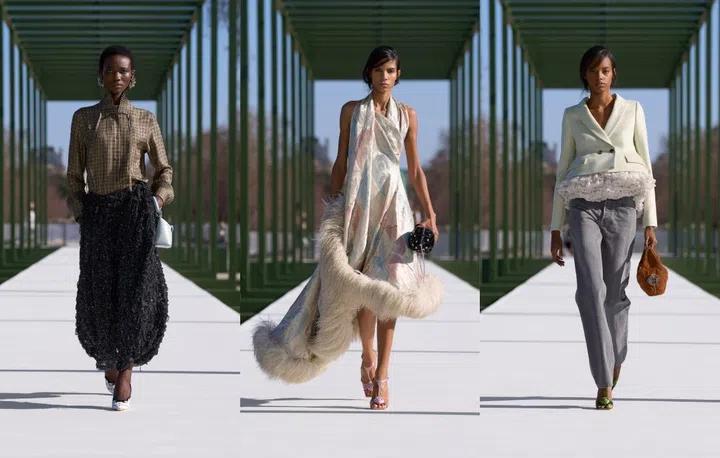
A Creative Shift Across Luxury Fashion
The luxury fashion industry is experiencing one of its most dynamic periods in recent history. In 2026, creative directors are reshaping the identities of iconic fashion houses through fresh perspectives, modern craftsmanship, and innovative storytelling. Rather than simply designing seasonal collections, today’s creative leaders are redefining how luxury brands communicate with a new generation of global consumers.
Luxury shoppers are no longer drawn solely by heritage or exclusivity. They seek authenticity, innovation, and collections that reflect contemporary lifestyles while respecting the legacy of the brands they admire. As a result, fashion houses are balancing tradition with experimentation, creating designs that feel both timeless and relevant.
Heritage Meets Modern Innovation
One of the defining characteristics of luxury fashion in 2026 is the careful fusion of history and innovation. Designers are revisiting signature silhouettes, archival patterns, and classic tailoring while introducing modern cuts, sustainable materials, and advanced textile technologies.
Rather than reinventing their brands entirely, luxury houses are evolving their identities. Iconic handbags, tailored jackets, evening gowns, and couture pieces are being refreshed with cleaner lines, lighter fabrics, and contemporary styling, appealing to both loyal clients and younger audiences.
This approach preserves the craftsmanship and prestige that define luxury while ensuring collections remain relevant in an increasingly competitive market.
Storytelling Is the New Luxury
Fashion today extends far beyond clothing. Every collection tells a story inspired by culture, architecture, travel, art, or social change.
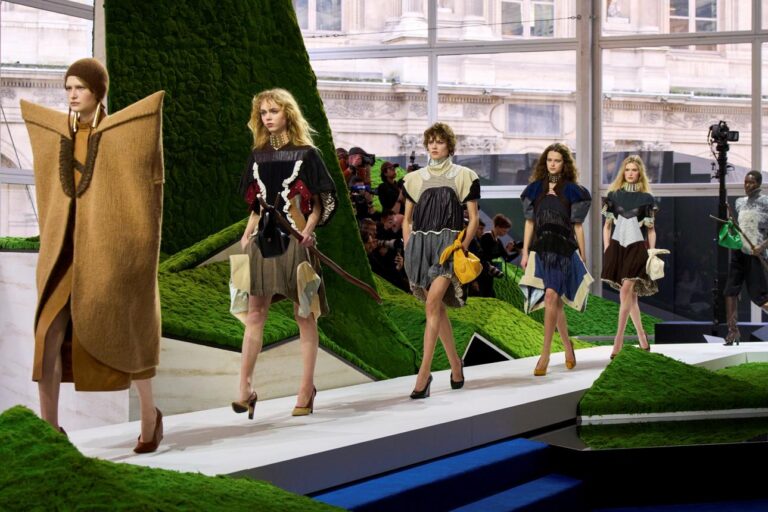
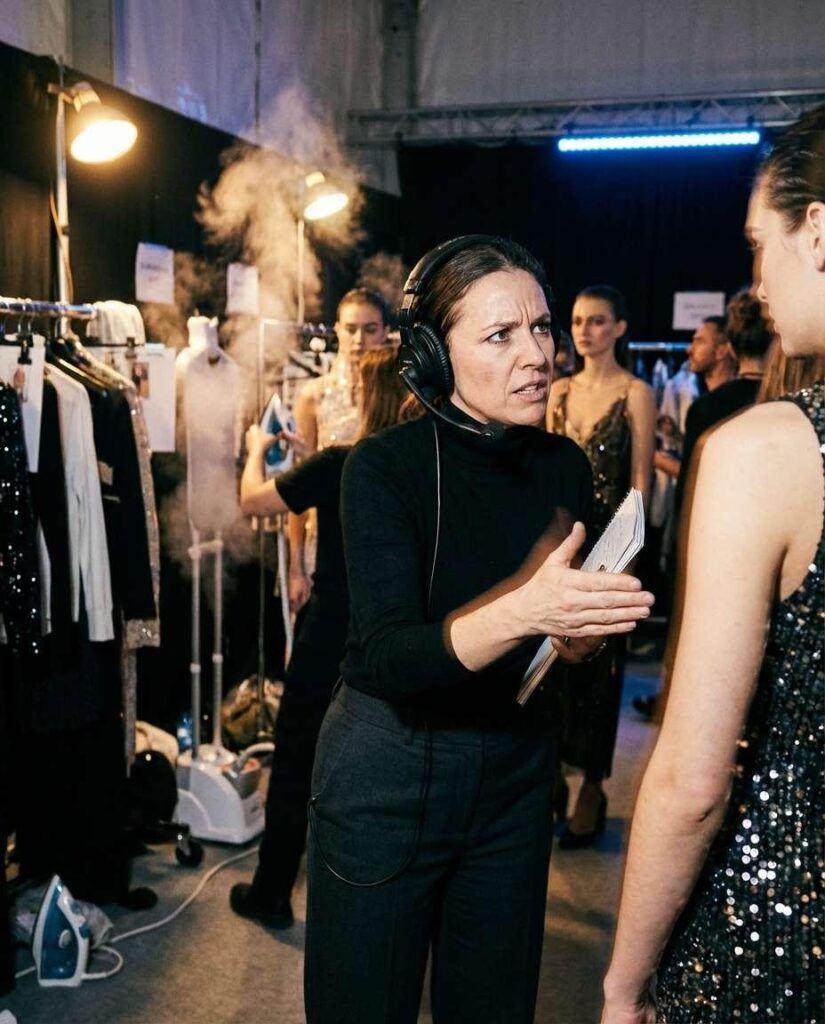
Runway presentations have evolved into immersive experiences where music, lighting, digital visuals, and set design work together to communicate a creative vision. Consumers no longer purchase only a garment—they invest in the narrative and values behind it.
Brands are using documentaries, behind-the-scenes content, and designer interviews to build deeper emotional connections with audiences, making storytelling an essential part of modern luxury.
Couture Continues to Inspire
While ready-to-wear dominates commercial fashion, haute couture remains the industry’s ultimate showcase of craftsmanship and creativity.
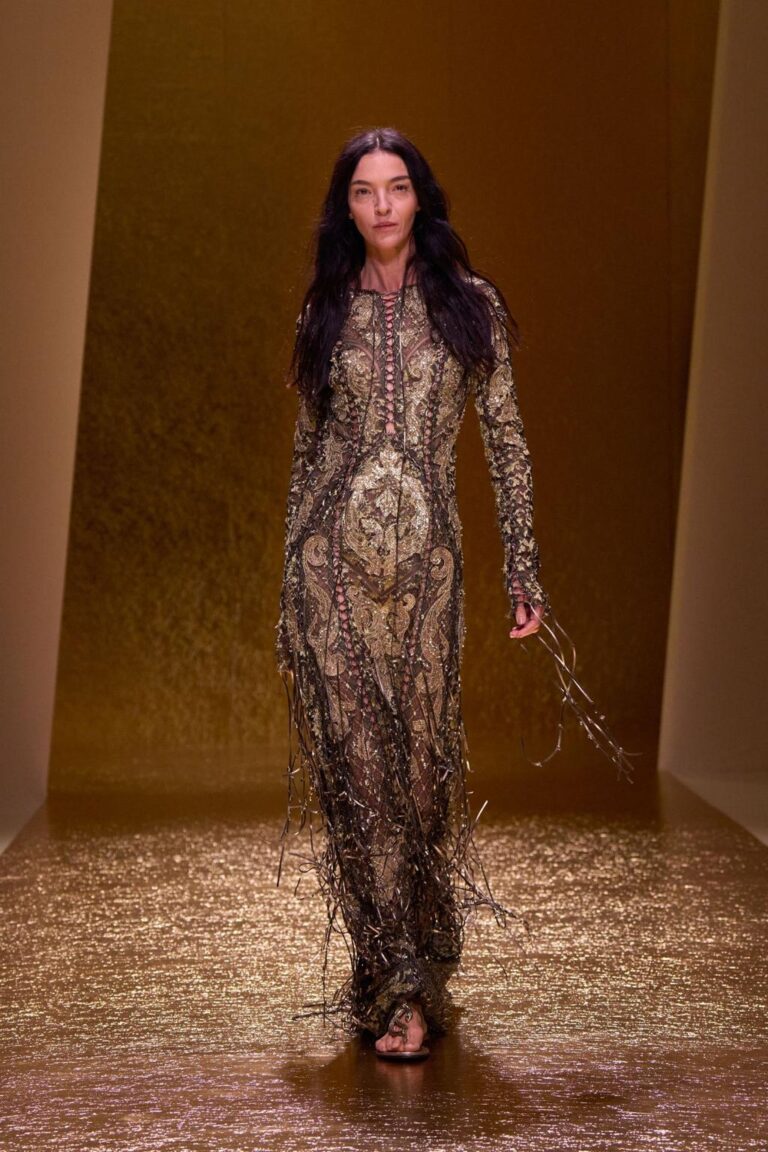
Intricate embroidery, hand-sewn embellishments, sculptural silhouettes, and luxurious fabrics continue to inspire collections across all price points. Couture serves as a laboratory where designers experiment with innovative construction techniques before adapting them for broader audiences.
This emphasis on artistry reinforces luxury fashion’s commitment to exceptional quality and meticulous attention to detail.
Sustainability Shapes Creative Decisions
Environmental responsibility has become a central pillar of luxury design. Creative directors are increasingly considering sustainability at every stage of the creative process, from sourcing materials to manufacturing and packaging.
Collections feature responsibly sourced silk, organic cotton, recycled fibers, regenerative wool, and innovative bio-based textiles that reduce environmental impact without compromising elegance.
Many brands are also producing smaller collections, minimizing waste, and offering repair services that encourage customers to cherish garments for years rather than replace them each season.
Luxury is increasingly defined by longevity rather than excess.
Technology Enhances the Design Process
Technology is transforming how collections are created and presented.
Artificial intelligence assists designers in analyzing consumer preferences, forecasting trends, and optimizing production. Digital prototyping allows teams to refine garments virtually before creating physical samples, significantly reducing fabric waste.
Virtual showrooms and augmented reality presentations enable buyers from around the world to experience new collections without extensive travel, making fashion more accessible while lowering carbon emissions.
Rather than replacing creativity, technology empowers designers to focus on innovation and craftsmanship.
The Rise of Quiet Luxury
One of the strongest movements influencing luxury fashion is the continued popularity of quiet luxury. Consumers are increasingly choosing understated elegance over conspicuous branding.
Perfectly tailored blazers, refined knitwear, premium leather goods, and minimalist accessories have become wardrobe essentials for professionals, entrepreneurs, and style-conscious consumers.
This shift reflects changing attitudes toward wealth and sophistication. Instead of prominent logos, buyers now appreciate exceptional fabrics, precise tailoring, and timeless design that speaks through quality rather than visibility.
The Middle East’s Growing Influence
The Middle East continues to strengthen its position as one of the world’s leading luxury fashion markets.
Dubai, Abu Dhabi, Riyadh, and Doha have become important destinations for international fashion brands, luxury retailers, and exclusive product launches. High-net-worth consumers in the region are driving demand for bespoke tailoring, couture, fine jewelry, and limited-edition collections.
Regional designers are also gaining global recognition by combining traditional craftsmanship with modern aesthetics. Their work celebrates cultural heritage while appealing to international audiences, demonstrating that Middle Eastern fashion is becoming an influential force on the global stage.
Fashion events across the Gulf continue to attract designers, buyers, media professionals, and investors, further establishing the region as a key player in luxury fashion.
Consumers Want Meaningful Luxury
Today’s luxury customer is well-informed and highly selective. Purchasing decisions are increasingly influenced by transparency, ethical production, sustainability, and craftsmanship.
Consumers expect brands to communicate openly about sourcing, labor practices, and environmental initiatives. They are willing to invest in premium products when they believe those products reflect genuine quality and responsible values.
This shift has encouraged fashion houses to strengthen relationships with customers through personalized experiences, exclusive events, and exceptional after-sales service.
Looking Ahead
Luxury fashion in 2026 is defined by evolution rather than revolution. Creative directors are honoring the heritage of iconic brands while embracing innovation, sustainability, and modern consumer expectations.
The future belongs to designers who can seamlessly blend timeless craftsmanship with contemporary relevance. Through thoughtful storytelling, responsible production, and exceptional design, they are proving that luxury remains one of the world’s most powerful forms of creative expression.
As fashion continues to evolve, the industry’s greatest success stories will be written not only through beautiful collections but also through the values they represent. In this new era, luxury is measured by authenticity, innovation, and enduring excellence—qualities that will continue to shape global fashion for years to come.